Multi-Vehicle Crash on I-80 in Mercer County: Who Is Responsible When Several Drivers Are Involved?
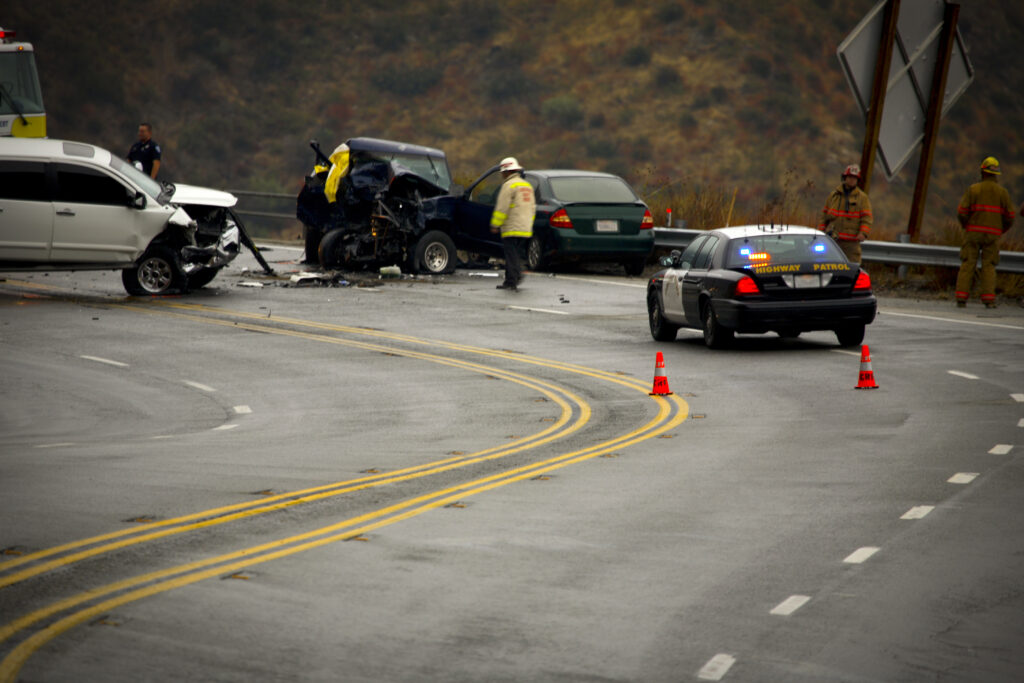
Multi-vehicle accidents can become complicated quickly. Unlike a typical two-car crash where one driver may appear clearly responsible, chain-reaction collisions often involve several vehicles, multiple insurance companies, and conflicting accounts of what happened. A recent crash on Interstate 80 in Mercer County highlights how serious these accidents can become. According to reports, a three-vehicle collision occurred on I-80 westbound in Shenango Township when one vehicle struck another, causing a chain reaction involving a tractor-trailer. One person was killed, and other drivers were transported for medical treatment. Police later cited following too closely in connection with the crash. When multiple vehicles are involved, determining who is legally responsible is not always straightforward. Investigators must look closely at each driver’s actions, the sequence of impacts, and whether negligence contributed to the crash.
How Fault Is Determined in a Multi-Vehicle Accident
In Pennsylvania, determining fault after a chain-reaction accident requires more than simply identifying which vehicle made the first impact. Investigators consider the actions of every driver involved and whether each person acted reasonably under the circumstances. Factors that may be reviewed include:
- Following distance between vehicles
- Speed at the time of impact
- Road and weather conditions
- Driver distractions
- Vehicle damage patterns
- Statements from drivers and witnesses
- Police reports and accident reconstruction findings
In some cases, more than one driver may share responsibility. Pennsylvania follows a comparative negligence system, meaning fault can be divided among multiple parties depending on their level of responsibility.
Why Chain-Reaction Crashes Are More Difficult Than Other Accidents
A multi-vehicle collision can create a confusing sequence of events. One driver may cause the initial impact, but another driver’s actions may contribute to the severity of the crash. For example, a driver who follows too closely may not have enough time to stop when traffic slows. That impact may push another vehicle into a third vehicle, creating additional damage and injuries. Determining responsibility requires understanding how each collision happened rather than assuming the first vehicle involved is automatically responsible for everything that follows. This is why evidence from the accident scene is so important.
Evidence Can Make a Major Difference in Proving Liability
After a serious highway crash, important evidence can disappear quickly. Skid marks may fade, vehicles may be moved, and witnesses may leave the area. Photos of vehicle damage, roadway conditions, and the position of vehicles after the crash can help show how the accident occurred. Dash camera footage, surveillance video, electronic vehicle data, and witness statements may also provide valuable information. For crashes involving commercial trucks, additional evidence may be available, including driver logs, vehicle maintenance records, and electronic data from the truck.
Injuries After Multi-Vehicle Crashes Can Be Severe
Because chain-reaction accidents often involve multiple impacts, injuries can be more serious than in a typical collision. A person may experience more than one forceful impact, increasing the risk of significant harm. Common injuries from multi-vehicle crashes include:
- Neck and back injuries
- Whiplash
- Traumatic brain injuries
- Broken bones
- Spinal injuries
- Internal injuries
Some injuries may not appear immediately after a crash. Seeking medical care as soon as possible can help protect your health and create documentation of injuries related to the accident.
What Happens When a Commercial Truck Is Involved?
Many highway chain-reaction crashes involve tractor-trailers because of the size and weight difference between commercial trucks and passenger vehicles. When a truck is involved, the investigation may become even more complex. Truck accident claims may require reviewing whether the driver followed safety regulations, whether the vehicle was properly maintained, and whether other factors contributed to the collision. Because commercial trucking companies and their insurers often have significant resources, injured drivers may benefit from understanding their rights early in the process.
Insurance Claims After a Multi-Vehicle Crash
After a chain-reaction accident, each insurance company may conduct its own investigation. Drivers may disagree about what happened, and insurers may attempt to determine how much responsibility each person holds. This can make the claims process more complicated than a standard accident claim. Injured victims may need to provide medical records, accident evidence, repair documentation, and other information to support their losses. Depending on the circumstances, compensation may be available for medical expenses, lost wages, vehicle damage, and pain and suffering.
Protecting Your Rights After a Serious Crash
Multi-vehicle accidents can leave victims dealing with injuries, uncertainty, and questions about who is responsible. A crash involving several drivers requires a careful review of the evidence and the circumstances leading up to the collision. If you were injured in a chain-reaction crash on I-80 or elsewhere in Northwestern Pennsylvania, understanding how fault is determined can help you make informed decisions about your next steps. Taking action quickly to preserve evidence and address your injuries may be important in protecting your ability to pursue compensation.