What Drivers Should Know Before Going Through a DUI Checkpoint in Pennsylvania
DUI checkpoints are a common form of impaired driving enforcement throughout Pennsylvania, especially during holidays, weekends, and high-traffic events. While many drivers may feel nervous approaching a checkpoint, understanding how these stops work and knowing your rights can help make the experience smoother and less stressful.
For most drivers, a DUI checkpoint is brief and routine. However, knowing what officers are looking for, what information you are required to provide, and how to handle the interaction calmly can help you avoid unnecessary complications.
Why Pennsylvania Uses DUI Checkpoints
DUI checkpoints are designed to identify impaired drivers and promote roadway safety. Law enforcement agencies throughout Pennsylvania often increase checkpoint activity during periods associated with higher rates of alcohol-related crashes, such as holiday weekends and community events.
These checkpoints are legal in Pennsylvania as long as they follow constitutional guidelines. Police departments must generally follow procedures regarding location selection, advance publicity, and neutral stopping patterns to ensure checkpoints are conducted fairly. The goal of these checkpoints is not only enforcement, but also deterrence. Visible DUI enforcement can encourage safer driving decisions and help reduce impaired driving accidents.
What Happens When You Arrive at a Checkpoint
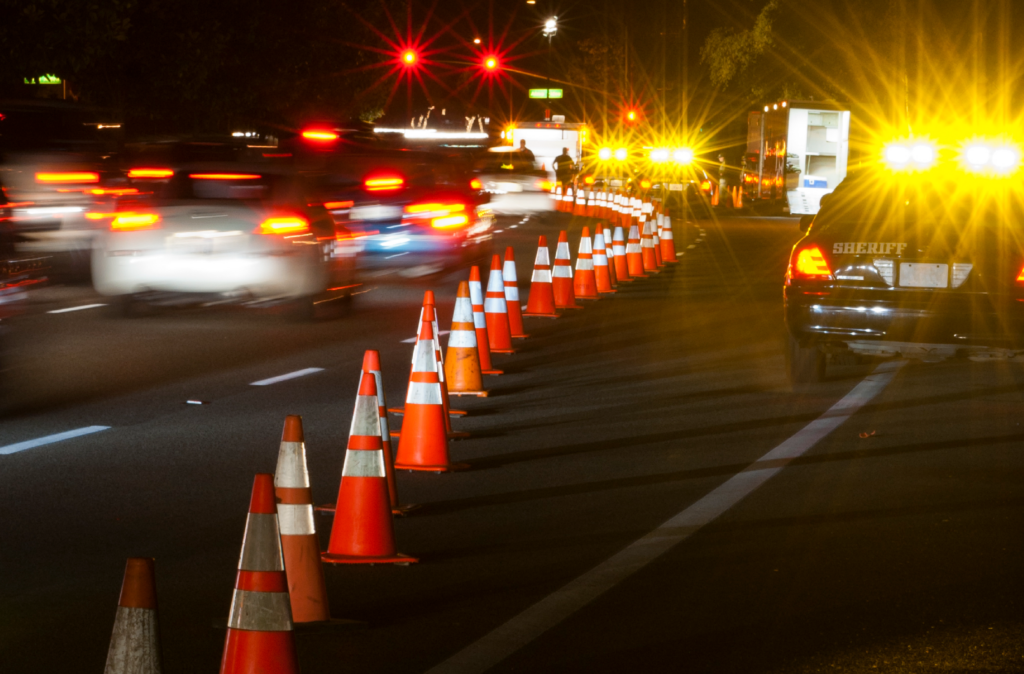
When approaching a DUI checkpoint, drivers are typically directed into a designated lane where officers briefly stop vehicles according to a predetermined pattern. In many cases, every vehicle is stopped, while other checkpoints may stop every second or third vehicle depending on traffic flow.
During the stop, officers usually request:
- Driver’s license
- Vehicle registration
- Proof of insurance
The interaction is often short unless officers observe signs that suggest possible impairment.
What Officers Are Looking For
During a checkpoint stop, officers are trained to look for indicators that may suggest a driver is under the influence of alcohol or drugs. This can include:
- The odor of alcohol or marijuana
- Slurred speech
- Bloodshot or glassy eyes
- Open containers in the vehicle
- Confusion or delayed responses
Officers may also observe the way a driver behaves while approaching the checkpoint, including braking patterns, lane positioning, or difficulty following instructions. Because these observations can influence whether further investigation occurs, remaining calm and respectful during the interaction is important.
Staying Calm Can Help the Situation
Many drivers become anxious simply because they are being stopped by police, even when they have done nothing wrong. Remaining calm during the interaction can help prevent misunderstandings and keep the stop brief.
It is generally best to:
- Keep your hands visible
- Follow lawful instructions
- Avoid sudden movements
- Speak respectfully and clearly
- Provide requested identification promptly
Being argumentative or overly nervous can sometimes escalate what would otherwise be a quick interaction.
Understanding Your Rights at a DUI Checkpoint
Drivers in Pennsylvania still have constitutional rights during DUI checkpoint stops. While you must provide identification and basic documentation, you are not required to answer potentially incriminating questions. For example, if asked whether you have been drinking, you may choose not to answer. Many drivers politely respond by stating they prefer not to discuss their evening or would like to remain silent.
Drivers should also understand that field sobriety tests are generally voluntary in Pennsylvania. However, chemical testing after a lawful DUI arrest falls under Pennsylvania’s implied consent laws, which carry separate consequences for refusal.
Can You Avoid a DUI Checkpoint?
In some situations, drivers may legally turn away from a DUI checkpoint before reaching it, provided they do not violate any traffic laws while doing so. Illegal U-turns, sudden lane changes, or other traffic violations can still give officers a reason to initiate a stop. Because checkpoint areas are often closely monitored, attempting to avoid a checkpoint in an unsafe or suspicious manner may draw additional attention from law enforcement.
What Happens If Police Suspect Impairment?
If officers believe there are signs of impairment, they may direct the driver to a secondary screening area for additional investigation. This can involve further questioning, field sobriety testing, or requests for chemical testing. At that stage, what happens next can depend heavily on the specific facts of the stop, the officer’s observations, and the evidence gathered during the interaction.
Why Understanding the Process Matters
Many DUI cases begin at checkpoints, but not every stop leads to an arrest. Understanding what to expect can help drivers make informed decisions, avoid unnecessary mistakes, and protect their rights during the interaction. Knowing how checkpoints operate can also reduce anxiety and help drivers approach these situations more confidently and responsibly.
Protect Your Rights After a DUI Checkpoint Arrest
DUI checkpoints remain an important part of roadway safety efforts throughout Pennsylvania. Whether traveling through Erie, Mercer, Crawford, Venango, or Warren County, drivers may encounter checkpoints during holiday weekends and other periods of increased enforcement.
Understanding your rights, staying calm, and knowing what to expect can help make the process smoother while protecting both your safety and your legal interests. Contact The Travis Law Firm today for a confidential consultation and take the first step toward protecting your future. Call (814) 277-2222 or (814) 455-3839, or use our online contact form to schedule your consultation. Protect your rights before it’s too late.