Winter Weather Driving Dangers in Northwestern Pennsylvania: How Crashes Spike in Snow and Ice
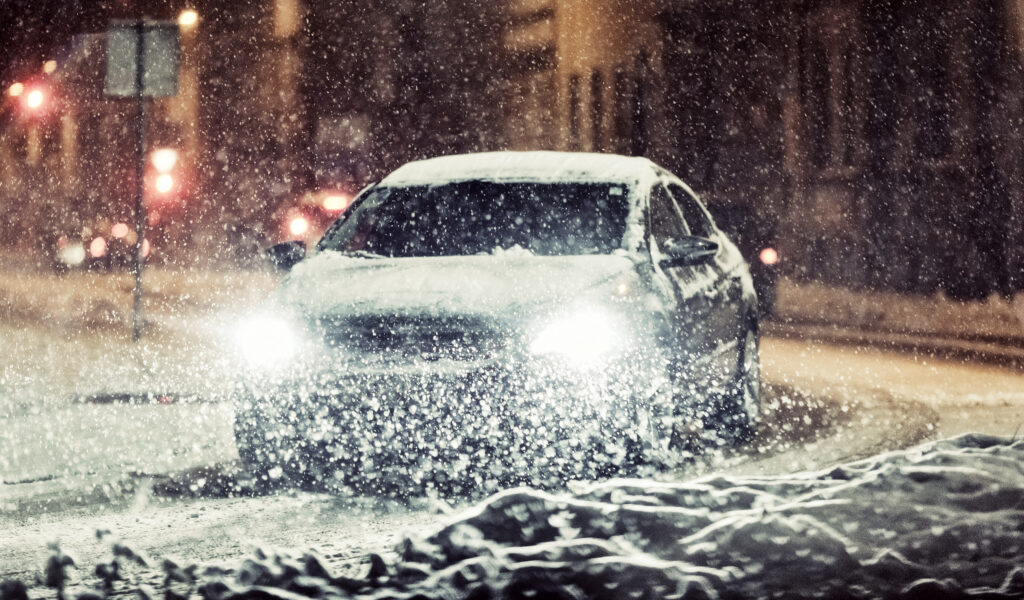
Winter weather brings both beauty and danger to Northwestern Pennsylvania. Snow, ice, sleet, and freezing rain can dramatically transform highways such as I-79, I-80, and local roads from Erie to Crawford, Mercer, Venango, and Warren counties into treacherous driving environments.
While many drivers rely on experience to navigate winter conditions, surprisingly snow and ice remain a major factor in crashes, injuries, and fatalities during colder months — and these conditions also complicate auto accident claims. Understanding the risks and knowing what to do if you’re involved in a winter-weather crash can protect your safety and legal rights.
Why Winter Weather Increases Crash Risk
In Pennsylvania, snow-packed and icy roads significantly raise the likelihood of collisions. PennDOT warns that roadways can look wet but actually be frozen — a hazard known as “black ice” — and that snow squalls can suddenly reduce visibility and traction without warning. Drivers often misjudge these conditions and fail to adjust speed or following distance accordingly, which increases crash risk.
PennDOT’s winter driving advice highlights that even well-treated roads can remain slick, especially on bridges and ramps, and that unexpected icy spots can persist throughout a storm.
PennDOT Guidance: How to Drive Safely in Snow and Ice
PennDOT repeatedly urges motorists to “avoid unnecessary travel during winter storms” and to exercise extreme caution if travel is unavoidable. During snowy or icy weather, agencies recommend:
- Listening to weather and travel advisories before heading out.
- Slowing down and increasing the following distance.
- Using low beams in snow and heavy wind conditions.
- Keeping windows, mirrors, and vehicle lights clear of snow and ice.
- Avoiding cruise control on slick road surfaces.
- Being especially cautious on bridges and overpasses where ice forms first.
PennDOT also notes that snow squalls — short, intense bursts of snow — can reduce visibility to near zero and cause sudden loss of control. In these situations, drivers are advised to pull over safely or slow to a crawl until conditions improve.
Winter Weather Crash Statistics in Pennsylvania
Recent data illustrates the increased danger. Preliminary figures from PennDOT and local law enforcement indicate that during winter weather events, snowy and icy conditions contribute to thousands of crashes, resulting in injuries and fatalities statewide. In one analysis of Pennsylvania winter road conditions, there were over 8,000 crashes, 29 fatalities, and nearly 3,000 injuries on snowy, slushy, or ice-covered roadways in a single season.
Those numbers highlight a stark reality: even experienced drivers can fall victim to hazardous winter roads, especially when speed, distracted driving, or improper vehicle preparation come into play.
Common Winter Driving Hazards and How They Cause Accidents
Black Ice
Black ice is a thin, transparent coating of ice that forms on the road surface and is nearly invisible to drivers. Because it looks like wet pavement, many motorists fail to slow down, resulting in sudden skids and loss of control.
Snow Squalls and Whiteout Conditions
Sudden snow squalls can obscure vision within seconds and cause multiple-vehicle pileups. Snow can also accumulate rapidly on higher elevations and curves, creating uneven traction.
Bridges and Overpasses
These structures cool more quickly than surface roads and can freeze even when the rest of the highway remains passable.
Lane Drift and Poor Visibility
Drivers may drift out of their lanes or struggle to judge distances due to blowing snow, leading to side–impact or head–on collisions.
What to Do After a Winter Weather Collision
Even when drivers take precautions, accidents can still happen. If you are involved in a crash due to snow or ice:
- Ensure safety first. Move your vehicle out of traffic if possible and turn on hazard lights.
- Seek medical attention. Injuries from winter accidents can be delayed or internal.
- Report the accident. Call 911 or local law enforcement.
- Document the scene. Take photos of vehicles, road conditions, skid marks, weather, and any visible injuries.
- Exchange information. Get names, addresses, insurance details, and contact info from all involved parties and witnesses.
- Avoid admitting fault. Statements made at the scene can impact insurance and legal liability later.
- Consult an attorney. Legal guidance early can protect your rights and help with claims involving serious injuries or disputes over fault.
Why Legal Support Matters After a Winter Weather Crash
Winter weather crashes often involve complex liability issues:
- Identifying whether weather, driver actions, or road maintenance contributed
- Proving negligence when multiple vehicles or conditions are involved
- Disputing insurance adjusters who may blame victims for speed or loss of control
- Accounting for hidden injuries that emerge after the accident
An experienced auto accident attorney can help you gather crucial evidence—such as weather reports, police crash reports, vehicle inspection data, and witness statements—and ensure your claim is supported thoroughly.
Protect Your Rights After a Winter Weather Crash
Snow and ice are unavoidable in Northwestern Pennsylvania, but serious injuries and legal consequences after a winter crash don’t have to be. If you were injured in a crash during wintry conditions in Erie, Crawford, Mercer, Venango, or Warren counties, The Travis Law Firm can guide you through the legal process and help protect your future.
If you’ve been injured in a car crash, the Travis Law Firm is ready to help. We provide compassionate, aggressive representation to secure the compensation you deserve.Call us today at (814) 277-2222 or (814) 455-3839 or contact us online to schedule your free consultation.