Bayfront Parkway Construction: Why Drivers Need to Be Extra Cautious in Downtown Erie
If you’ve driven through downtown Erie recently, you’ve likely noticed the ongoing construction along the Bayfront Parkway. As part of PennDOT’s Central Bayfront Parkway Improvement Project, traffic patterns have changed with lane shifts, temporary closures, and new intersections designed to improve safety and better connect downtown with the waterfront. While these improvements are expected to benefit the community in the long run, construction zones can create conditions that increase the risk of car accidents in the meantime.
For drivers, that means paying closer attention than usual. Even on roads you travel every day, changing traffic patterns can lead to unexpected situations that require quick reactions. Understanding these risks can help prevent accidents and protect your rights if a collision does occur.
Construction Zones Require Drivers to Adjust
Construction projects often change how traffic moves through an area. Reduced speed limits, narrowed lanes, and temporary traffic signals can all affect the flow of vehicles. Drivers who are unfamiliar with the changes—or those who simply aren’t paying attention—may brake suddenly, merge unexpectedly, or miss important warning signs.
While every work zone is different, drivers should be prepared for:
- Lane shifts or temporary lane closures
- Reduced speed limits and changing traffic patterns
- New traffic signals or construction signage
- Construction vehicles entering or exiting the roadway
- Sudden stops caused by merging traffic
The Bayfront Parkway project will continue through multiple construction phases, meaning traffic conditions may change from week to week. Taking a few extra moments to slow down and stay alert can go a long way toward avoiding an accident.
Rear-End and Lane-Change Accidents Are Common
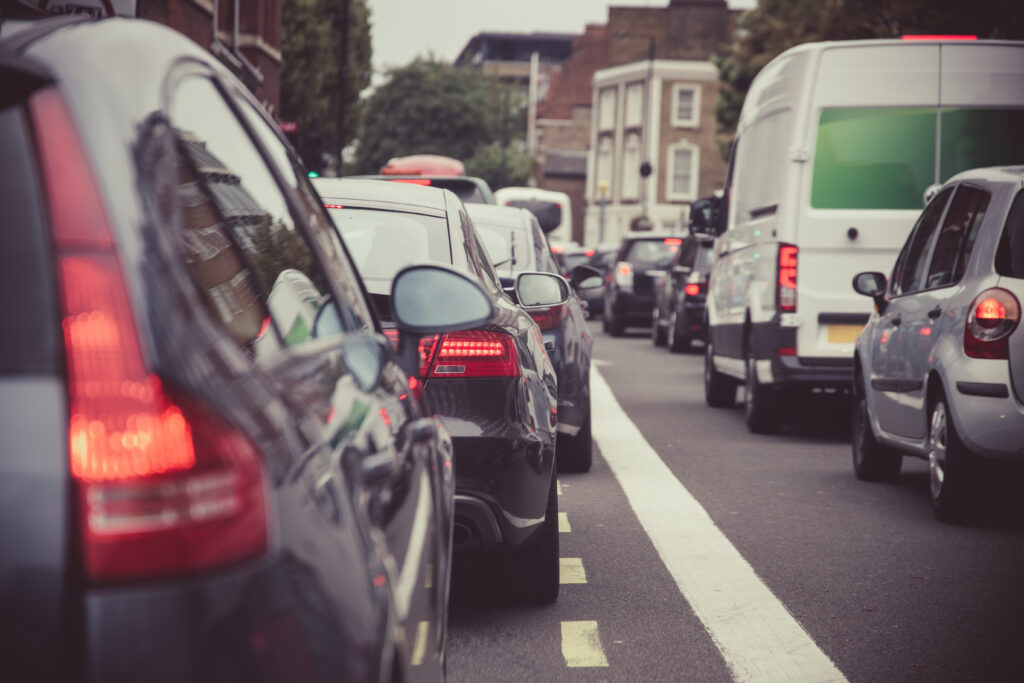
Many crashes in construction zones happen because drivers don’t have enough time or space to react. Traffic may slow unexpectedly near a lane closure or merge point, increasing the likelihood of rear-end collisions. Drivers who are distracted or following too closely often have little opportunity to stop safely. Lane changes can also become more challenging. As traffic is funneled into fewer lanes, drivers may attempt last-minute merges or fail to check blind spots before changing lanes. These situations frequently lead to sideswipe accidents and, in heavier traffic, can trigger chain-reaction collisions involving multiple vehicles.
Determining Fault After a Construction Zone Crash
An accident in a work zone doesn’t automatically mean the construction caused the collision. Just like any other car accident, investigators will look at the actions of each driver to determine who may have been negligent.
Evidence often plays a key role in determining liability. Investigators may consider:
- Whether a driver was speeding through the work zone
- If someone was following too closely
- Whether distracted driving contributed to the crash
- Failure to yield or unsafe lane changes
- Police reports, witness statements, and photographs from the scene
In some cases, more than one driver may share responsibility for the accident. Pennsylvania’s comparative negligence laws allow fault to be divided based on each driver’s actions leading up to the collision.
Downtown Erie Brings Additional Traffic Challenges
The Bayfront Parkway serves as one of the main routes connecting downtown Erie with the waterfront, local businesses, and popular attractions. As construction continues, drivers may encounter more pedestrians, cyclists, and visitors who are unfamiliar with the area. These added challenges make defensive driving even more important. Watching for people crossing the street, obeying reduced speed limits, and anticipating sudden stops can help reduce the risk of serious injuries for everyone sharing the roadway.
What to Do If You’re Involved in a Construction Zone Accident
Being involved in a crash can be overwhelming, but taking the right steps afterward can help protect both your health and your potential injury claim.
If you’re able to do so safely:
- Call 911 and report the accident.
- Seek medical attention, even if your injuries seem minor.
- Take photos of the vehicles, roadway, traffic signs, and construction zone.
- Exchange contact and insurance information with the other driver.
- Speak with witnesses if anyone saw the collision.
Construction zones can change quickly as work progresses, so documenting the scene immediately may help preserve valuable evidence. Even injuries that seem minor at first—such as whiplash or a concussion—may not become noticeable until hours or days after the accident.
Staying Safe While Bayfront Parkway Construction Continues
The improvements being made to the Bayfront Parkway are intended to make travel through downtown Erie safer for drivers, pedestrians, and cyclists. Until the project is complete, however, motorists should expect changing traffic patterns and remain patient as they travel through active work zones. If you’ve been injured in a construction zone accident, understanding how fault is determined and preserving evidence as early as possible can make a significant difference in protecting your rights. Contact the Travis Law Firm, we provide compassionate, aggressive representation to secure the compensation you deserve. Call us today at (814) 277-2222 or (814) 455-3839, or use our online contact form to schedule your free consultation.